5 Oct 2026
Regulatory Shifts Transforming User Engagement on Chance-Free Digital Platforms
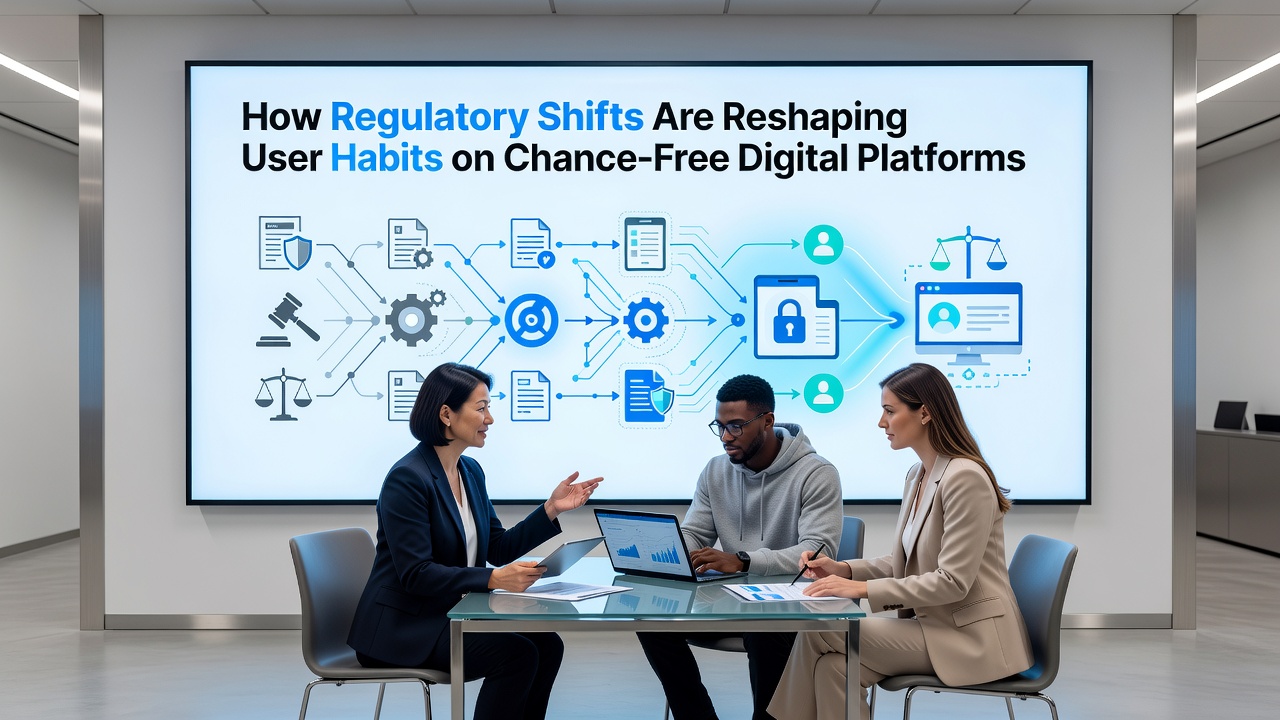
Regulatory frameworks across multiple regions continue to evolve and influence how people interact with digital platforms that emphasize skill, learning, and entertainment without elements of chance or financial risk, and these changes have prompted measurable shifts in daily usage patterns since the early 2020s. Data from industry tracking services indicate that users now spend more time on features focused on progression systems and community interactions rather than randomized rewards, while session lengths have adjusted in response to new disclosure requirements and age-verification protocols.
Observers note that the Digital Services Act implemented by the European Commission requires platforms to provide clearer information about algorithmic recommendations, which has led developers to redesign interfaces so that users receive more transparent options for content discovery. In practice this means individuals explore educational modules and collaborative challenges at higher rates than before, because the rules reduce hidden prompts that once steered traffic toward certain activities. Australian government reports on online safety similarly highlight updated guidelines for user data handling that took effect in phases through 2025, resulting in platforms introducing optional privacy controls that correlate with increased account customization among adult users.
Regional Policy Updates and Platform Adaptations
Canadian regulatory bodies have introduced consumer protection measures that address in-app purchasing transparency on entertainment services, and these rules have encouraged providers to simplify payment flows while removing any suggestion of uncertain outcomes. Users in those markets have responded by favoring subscription models over one-time purchases, according to aggregated transaction data released by research institutions studying digital economies. The changes also coincide with broader accessibility standards that require platforms to offer adjustable difficulty levels, which researchers at academic centers have linked to longer retention among diverse age groups.
Meanwhile, United States federal agencies continue to monitor digital advertising practices on non-gambling platforms, prompting companies to adjust promotional language around rewards and achievements. Figures from trade associations show that compliance updates rolled out in mid-2025 produced a noticeable rise in users opting for tutorial content and skill-building exercises instead of competitive leaderboards. Platforms that integrated these adjustments early reported sustained growth in repeat visits, particularly from demographics that value predictable experiences.
Observed Changes in Daily User Routines
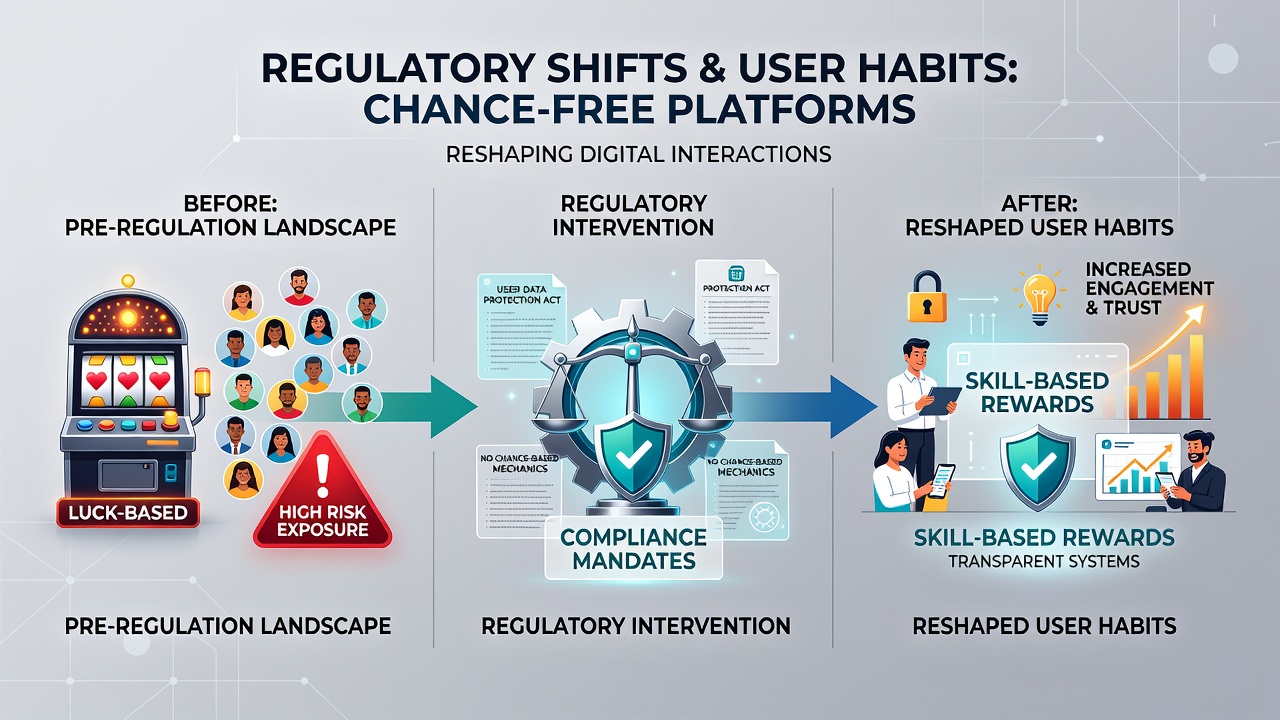
People often find that new verification steps slow initial access yet encourage more deliberate engagement once accounts are active, and session data collected by analytics firms confirms this pattern across multiple jurisdictions. Time spent reading community guidelines or reviewing privacy settings has increased, while quick logins followed by immediate exits have declined. Experts tracking behavioral metrics point to the introduction of mandatory cooling-off reminders in certain regions as another factor that redistributes activity toward scheduled, intentional sessions rather than habitual checking throughout the day.
Studies conducted by university research teams reveal that users now interact more frequently with progress-tracking tools and achievement logs because regulations mandate visible explanations of how systems operate. This transparency has shifted attention away from social comparison features toward personal goal setting, especially on platforms that combine entertainment with educational elements. In October 2026 several additional reporting requirements are scheduled to activate in select markets, and early compliance testing suggests further emphasis on user-controlled filters that could extend average visit durations by another measurable margin.
Data Trends Across Platforms
Aggregated figures from multiple monitoring organizations indicate that daily active users on chance-free platforms have grown steadily even as average session frequency per individual has moderated, reflecting a move toward quality over quantity in engagement. Platforms that adopted region-specific compliance tools ahead of deadlines experienced smoother transitions, whereas others saw temporary dips followed by recovery once interfaces stabilized. Those who studied these transitions know that the combination of clearer labeling and optional data-sharing preferences has produced higher satisfaction scores in post-update surveys distributed by independent research groups.
Trade reports further document that collaborative features such as shared learning environments and team-based challenges now attract larger portions of total user time compared with solo exploration modes. The regulatory emphasis on fairness and clarity appears to reward platforms that invest in these areas, because they align with requirements for equitable access and understandable mechanics. Observers tracking long-term patterns expect continued refinement as new rules layer onto existing frameworks, particularly around cross-border data flows that affect how international users experience the same service.
Conclusion
Regulatory developments continue to guide the design and functionality of chance-free digital platforms, resulting in documented adjustments to how people discover content, manage their time, and prioritize features. Data collected through 2026 shows consistent movement toward deliberate, informed participation supported by transparency mandates and consumer protections from various regions. As additional provisions activate, the trajectory points toward further integration of user controls and clearer system explanations that shape ongoing habits without introducing elements of risk.