21 Sep 2026
Mapping the Growth of Interactive Web Experiences That Emphasize Fun and Learning Over Risk
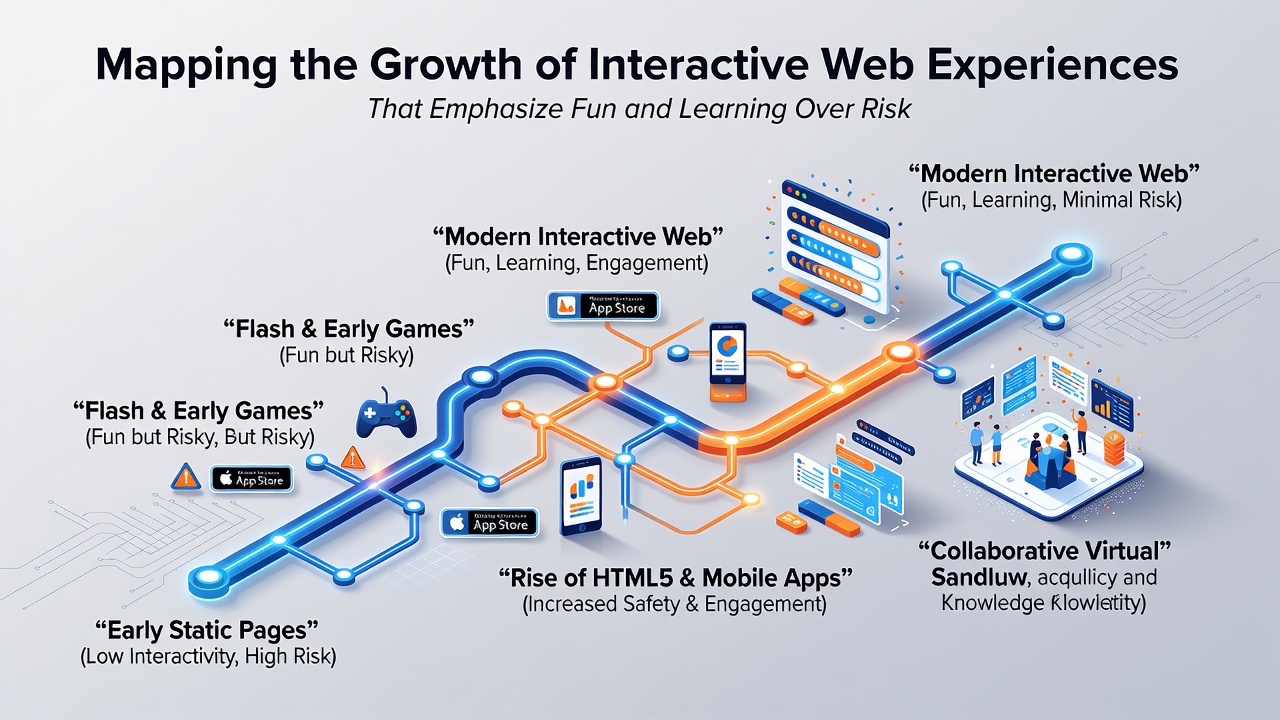
Interactive web platforms that combine entertainment with structured learning have expanded rapidly since the mid-2010s, driven by advances in browser technology, cloud computing, and demand for accessible educational content that avoids high-stakes financial elements. Data from multiple international sources shows steady increases in user engagement across age groups, with platforms emphasizing skill-building activities such as puzzle-solving, simulation exercises, and collaborative projects rather than chance-based mechanics.
Foundations in the 2010s
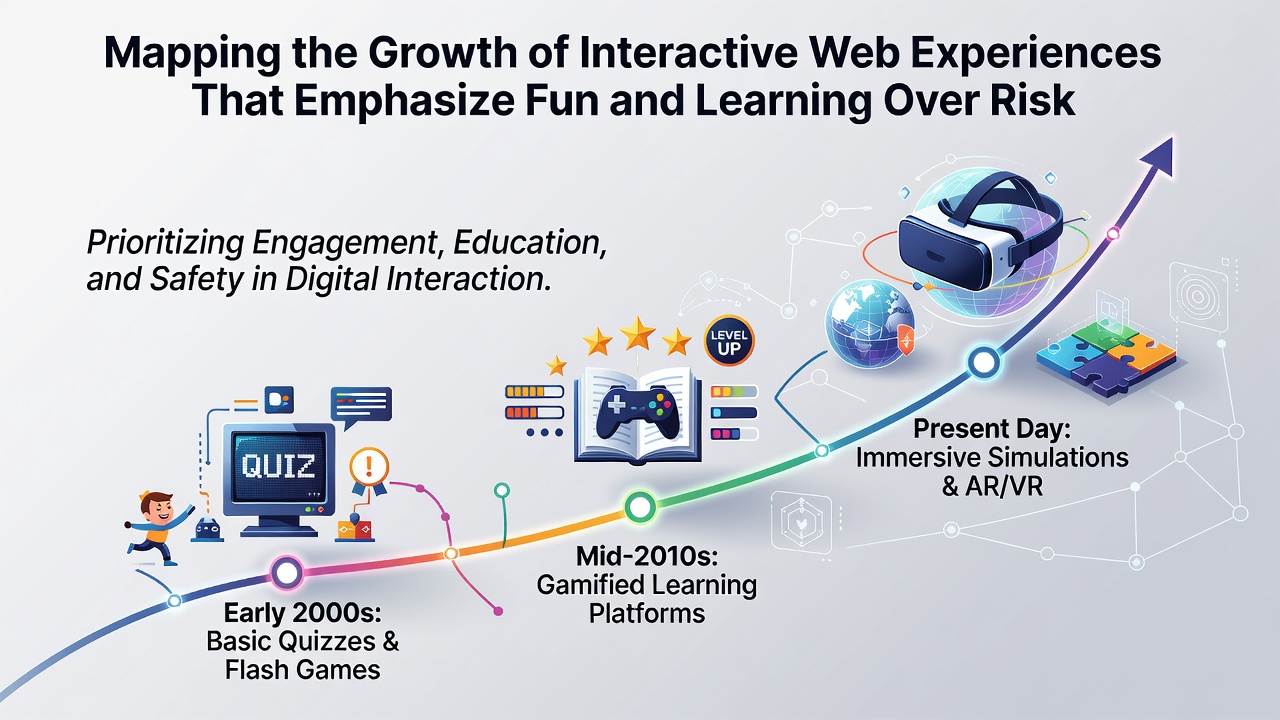
Early examples emerged from partnerships between universities and technology companies, where developers created browser-based games that taught coding, mathematics, and language skills through progressive levels. Researchers at institutions in North America documented how these tools reduced dropout rates in online courses by integrating immediate feedback loops and reward systems tied to mastery rather than random outcomes. Government agencies in Australia began tracking participation rates in such platforms around 2018, noting that students using interactive modules completed assignments at higher rates compared with traditional video lectures alone.
Acceleration During Global Shifts
By 2020 usage surged as schools worldwide transitioned to remote instruction, prompting organizations like the OECD to publish comparative studies on digital learning tools across member countries. These reports highlighted platforms that prioritized creative problem-solving and knowledge retention, with data indicating millions of new accounts created in Europe and Asia during that period. Canadian education ministries similarly reported growth in adoption of simulation-based environments for science and history curricula, where users explore virtual ecosystems or historical events without exposure to external betting or wagering features.
Platform Examples and Adoption Patterns
Popular services such as coding sandboxes and virtual laboratory interfaces attracted diverse demographics by offering free or low-cost access with clear progression systems. One study from a U.S. research university found that participants aged 10 to 18 spent an average of 45 minutes per session on narrative-driven learning games, showing measurable gains in subject comprehension. European Commission digital education initiatives tracked similar trends, linking increased screen time on these sites to improved digital literacy scores rather than dependency risks. Observers note that developers often incorporated parental controls and progress dashboards, features that distinguish these experiences from higher-risk online activities.
September 2026 Developments
As of September 2026 several national programs released updated statistics on interactive web engagement. The Australian Department of Education published figures showing a 28 percent rise in registered users for government-supported learning portals since the previous year, with emphasis on modules that teach financial literacy through scenario planning instead of gambling simulations. Parallel data from U.S. federal education portals indicated sustained monthly active users exceeding 15 million, concentrated in regions with strong broadband infrastructure. These releases coincided with new browser standards that enhanced real-time collaboration features, allowing students across time zones to co-design virtual models while maintaining strict data privacy protocols.
Technical and Regulatory Influences
Advances in HTML5, WebGL, and progressive web app capabilities enabled richer visuals and offline functionality without requiring downloads that could introduce security vulnerabilities. Regulatory frameworks in multiple regions encouraged transparency around data collection and monetization, leading platforms to favor subscription models or institutional licensing over in-app purchases linked to random rewards. Industry associations representing edtech developers issued voluntary guidelines in 2025 that promoted age-appropriate content filters and usage analytics focused on learning outcomes. Evidence from academic papers indexed in international databases suggests these measures correlate with lower reports of excessive screen time among younger users.
Global Reach and Future Projections
Expansion continues in emerging markets where mobile-first designs accommodate varying connectivity levels. Researchers tracking web analytics across South America and Southeast Asia report growing interest in multilingual interfaces that deliver history and environmental science content through branching storylines. Projections from research institutions estimate that by 2028 the sector could encompass over 500 million regular participants if current infrastructure investments persist. Emphasis remains on verifiable educational metrics such as quiz completion rates and skill certifications rather than time spent or virtual currency accumulation.
Conclusion
The trajectory of these interactive web experiences reflects broader priorities in digital education policy, where fun serves as an entry point to sustained learning without introducing elements of financial risk. Continued monitoring by government bodies and academic centers will shape refinements in design standards and accessibility features through the remainder of the decade.